

A face and a voice used to be valuable because they had to appear in the room. Digital replicas have turned both into rights that can be licensed, or stolen, at a distance.
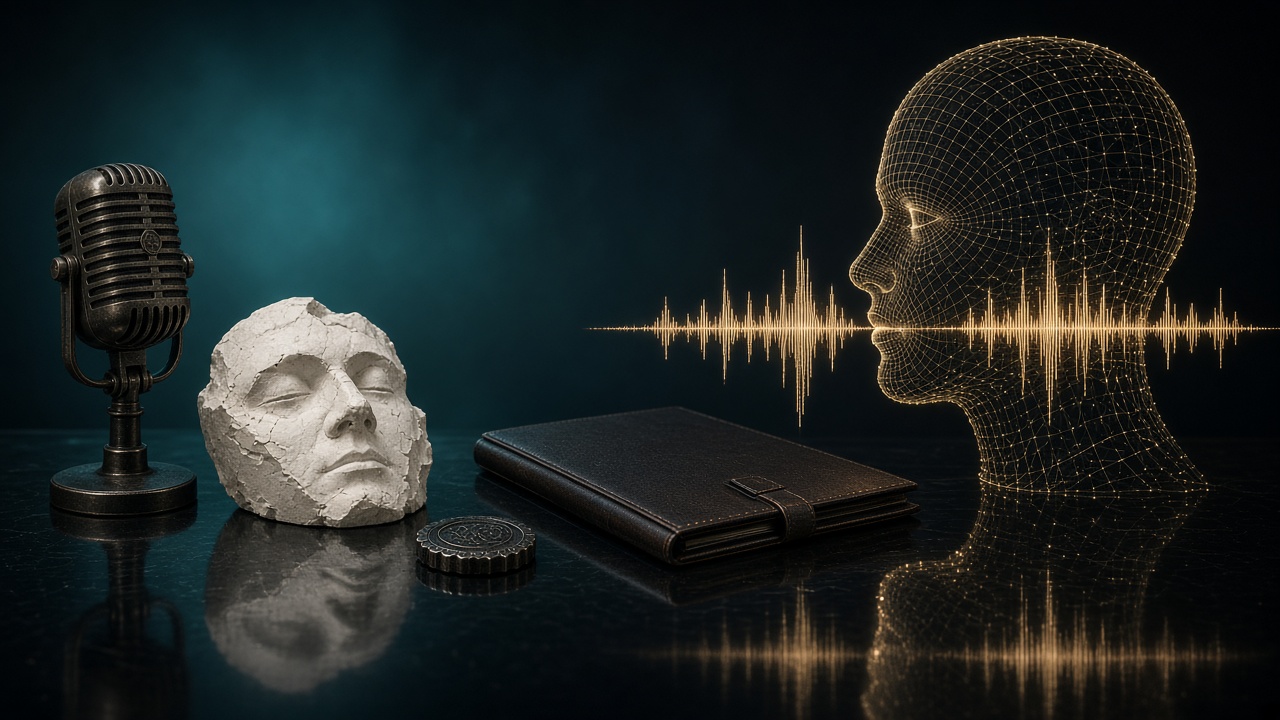
For most of the modern celebrity economy, a face and a voice were valuable because they had to show up. You booked the person, or you booked a lookalike and hoped nobody sued. That maths is breaking. A digital replica can now walk into an advert, a film or a soundtrack without the star being in the room — and sometimes without the star being asked. The smart money is no longer only on appearance fees. It is on who controls the copy.
The scare that made the risk feel real
In May 2024, Scarlett Johansson said she had declined an approach from OpenAI about licensing her voice for a ChatGPT assistant, then released a statement after the company unveiled a voice, Sky, that she said sounded “eerily similar” to her performance in the film Her. The New York Times published the statement. OpenAI said the voice belonged to a different actor, and paused Sky. The episode did not have to end in a filed judgment to change the mood in Hollywood. It showed how quickly a familiar voice can appear inside a product, and how little comfort a denial offers once the internet has already heard the resemblance.
The licensed version of the same story is less viral and more instructive. In 2022, The Verge and Wired reported that James Earl Jones had authorised Lucasfilm to use archive recordings of his Darth Vader performance, with the Ukrainian company Respeecher helping to generate new lines for the series Obi-Wan Kenobi. Jones was not being looted. He was being contracted. That is the fork the whole market is now standing on: a replica as a right you can sell, or a replica as a theft you have to chase.
The fee question has changed. It is no longer only what a star charges to appear. It is what they charge to be copied — and what it costs when they are copied anyway.
The laws, and the one that is not a law yet
Tennessee moved first. In March 2024, Governor Bill Lee signed the Ensuring Likeness Voice and Image Security Act, better known as the ELVIS Act, with backing from SAG-AFTRA. The statute adds voice to the state’s protected personal rights and creates civil, and in some cases criminal, consequences for unauthorised digital replicas, including a path of liability for tools whose primary purpose is making them. It is the clearest US state-level signal yet that a voice is property, not atmosphere.
A federal version has been slower. The NO FAKES Act — Nurture Originals, Foster Art and Keep Entertainment Safe — would create a nationwide civil right against the unauthorised publication or distribution of a digital replica of a person’s image, voice or likeness. As of early November 2026 it is not law. A 2026 Senate bill cleared the Senate Judiciary Committee in June, but an attempt to pass it by unanimous consent failed at the end of September, and it has not been enacted by either chamber. Supporters have included SAG-AFTRA, the Recording Industry Association of America and, in some accounts of the coalition, companies on the technology side as well. Until it is signed, the United States still does not have a single federal right of publicity for digital replicas.
There is already a narrower federal tool for one especially ugly use case. In May 2025, President Trump signed the TAKE IT DOWN Act, which requires covered platforms to remove non-consensual intimate images, including deepfakes, on a short deadline. It is not a general likeness statute. It is a reminder that some of the most urgent fights are not about a whisky advert. They are about control of a person’s image at its most vulnerable.
What the union terms actually pay
Where statute is incomplete, collective bargaining has been doing the numbering. The 2023 SAG-AFTRA television and theatrical agreement, ratified after the strike, treated digital replicas as requiring informed, specific, separately signed or initialled consent, plus compensation, and a reasonably specific description of the intended use. A successor agreement, ratified by members on 4 June 2026 and running through 30 June 2030, builds on those rules: at least 48 hours’ notice, an articulable business reason for a scan, and, for use in the same picture, the higher of the performer’s pro rata daily rate or the day-performer minimum for each estimated day the actor would otherwise have worked. Use in a different picture needs fresh consent and a negotiated fee, with the day-performer rate as a floor.
The 2025 commercials deal is even more explicit about the rate card. SAG-AFTRA said the agreement requires informed consent before a digital replica is created, forbids performers’ data from being used to train AI without consent, and — when a replica is used to generate a performance — triggers a 1.5-times session fee plus the applicable holding and use fees. That is not a rumour. It is a published term, and it is how a “looks and voice” right starts to show up as a line item rather than a vibe.
The union has also struck company-level frameworks with voice firms including Replica Studios and Narrativ, built around consent, compensation and individual control. In November 2025, ElevenLabs launched an Iconic Voice Marketplace that, The Verge and a company announcement reported, licenses famous voices — among them Michael Caine and other well-known names — with individual approval and commercial terms. The direction of travel is clear. A voice can now be booked the way a live session used to be booked, except the person need not enter the booth.
Why this is a fees story
Every one of those clauses is about money as much as dignity. If a studio can generate a performance from a scan, the live booking is in play. If an advertiser can license a voice from a marketplace, the old session fee has a competitor. If an estate can keep a voice in circulation after death, the posthumous earnings lists get a new engine. Celebrityfees already ranks the highest-paid dead celebrities; likeness and voice rights are part of how those catalogues keep paying. They are also part of how a living star’s Fee Meter will be read in future: not only the cost of a private show or a campaign day, but the cost of a replica window.
That is why the A-list is behaving less like a muse and more like a rights holder. The same instinct that turns a famous name into a company — the business behind Kim Kardashian’s empire, or the live premiums in our guide to booking an A-lister — is now being applied to the face and the voice themselves. Global Celebrity Meter has been tracking both the ways creators make money in the AI era and the older practice of insuring a face, a body or a voice. Hollywood Movie Times has argued that the industry’s job is to reinvent the business without abandoning the artists. The emerging bargain is simple to state and expensive to negotiate: if you want the likeness, you pay for the likeness, and you say exactly what you plan to do with it.
What to watch next
Three published terms, and one missing statute, will tell you where the market is going: the 1.5-times session fee in commercials; the daily-rate floor in the 2026 film and television contract; the ten-year cap that the NO FAKES draft would place on an adult’s license if the bill ever becomes law; and the federal right that, as of this week, still does not exist.
Until it does, stars are protecting their looks and voices the only way the industry currently allows: by writing the protection into the deal, the union contract, the state statute and, when they can, the insurance slip. The replica is no longer a science-fiction extra. It is a line on the invoice.
Talent managers and agents: own the profile buyers check first.
Claim Verified Talent Badge — $299/yr